1
Wet the locs thoroughly
Let the water fully saturate the hair first so buildup loosens before you start cleansing. This helps the shampoo spread more evenly.
ShineTress Hair Extensions NYC

The short answer is that shampooing dreads or locs is usually a good thing when it is done correctly. Washing helps clear sweat, oil, flakes, and product buildup from the scalp, and that matters because an unclean scalp can become itchy, irritated, and heavy over time. At the same time, shampooing can also make newer dreads frizzier, slightly looser, or more puffy if the technique is too rough or the product leaves residue behind, which is why wash day with locs needs a little more intention than a regular shampoo routine. Allure Dollylocks
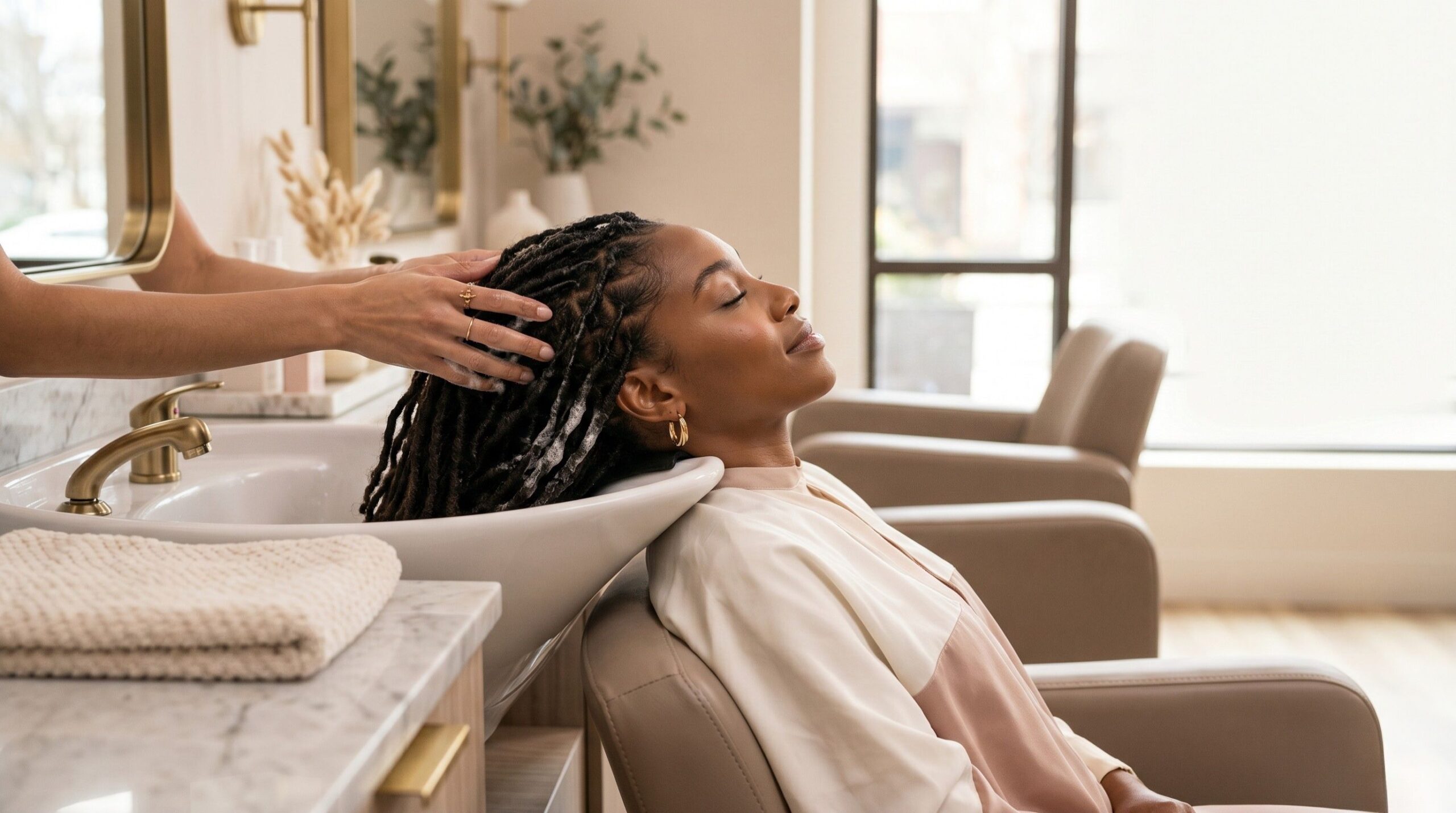
When you shampoo locs, you are not ruining them by default. What usually happens is cleaner roots, less itch, lighter-feeling hair, and better scalp comfort. But if the shampoo is too creamy, too heavy, or not rinsed out completely, you can end up with buildup inside the locs. And if you do not dry them thoroughly afterward, trapped moisture can create musty odor problems that many loc wearers want to avoid. Allure Dollylocks
Shampoo primarily cleans the scalp. That matters because even though locs are a protective style, your scalp still produces oil, collects sweat, and holds onto environmental buildup. Guidance from the Cleveland Clinic and Healthline keeps coming back to the same idea: cleansing should be based on your scalp, texture, oil level, and lifestyle rather than a myth that hair should stay unwashed for long periods.
With dreads, shampooing can loosen debris, rinse away excess oil, and help the scalp feel fresher. That is a positive. The tradeoff is that water and friction can disturb the outer surface of the loc, especially if it is new or still tightening. So if your locs look a little puffier or frizzier right after washing, that does not necessarily mean something went wrong. It often just means the hair has expanded, softened temporarily, and needs drying and maintenance. Dollylocks
Cleaner scalp, less itch, less odor, lighter roots, and less visible buildup.
Some frizz, a softer feel while wet, and a slightly puffier look until the locs dry fully.
Residue, waxy heaviness, or musty smell if the wrong shampoo is used or the locs stay damp too long.
Usually, no. Shampoo alone does not ruin healthy locs. What causes trouble is rough scrubbing, residue-heavy products, poor rinsing, or going to sleep while the locs are still wet. In fact, loc specialists and beauty editors often recommend regular cleansing because an unwashed scalp can become flaky and irritated. Allure
For newer locs, though, wash day can temporarily soften the pattern and encourage flyaways. That is why people with starter locs or freshly maintained dread styles often notice more frizz after shampooing. It is not destruction; it is just part of how water interacts with hair that is still compacting into a tighter form. Choosing a gentler technique matters more than avoiding shampoo altogether. Dollylocks
This is where a lot of people get misled. Skipping wash day does not automatically make locs healthier. If anything, too little cleansing can leave the scalp uncomfortable and make the whole style feel heavier. Sweat, sebum, styling products, and lint can all collect over time, especially if you work out often, wear hats, or layer oils and edge products around the roots. The Cleveland Clinic explains that buildup and oil level should influence cleansing frequency, and that logic still applies when your hair is in locs.
In practical terms, not shampooing enough can lead to itchiness, flakes, a greasy root area, clogged-feeling scalp, and a less fresh smell. If locs feel unusually heavy or look dull and coated, that can also be a sign that cleansing has been delayed too long or that residue has been accumulating for weeks. Dollylocks
The safest choice is usually a lighter, easy-rinsing shampoo that does not leave behind a thick coating. Articles on loc maintenance often favor clarifying or residue-free formulas because creamy, heavy shampoos and conditioners can linger inside the loc structure and make buildup harder to remove later. Allure recommends keeping the scalp clean with sulfate-free or clarifying options, while Dollylocks emphasizes residue-free, lightweight cleansing products that rinse clean.
That does not mean every loc wearer needs the strongest cleanser possible. It means your shampoo should match your scalp and your routine. If you sweat often or use a lot of scalp oils, you may need a stronger cleanse than someone with a drier scalp and minimal product use.
Lightweight, clarifying, or residue-free shampoos are usually easier on loc maintenance than rich, coating formulas.
Thick conditioners, creamy masks, waxy formulas, and anything that is hard to rinse can linger inside the locs.
There is no single schedule that works for everyone, but weekly to every other week is a common starting point depending on scalp oil, climate, activity level, and how mature the locs are. Allure recommends washing the scalp at least once a week for loc extensions, while Dollylocks suggests around every 7 to 14 days for many people, with frequent exercisers often needing weekly cleansing.
If your scalp is itchy by day five, a two-week schedule may be too long for you. If your scalp stays balanced and your locs are mature, you may comfortably stretch longer. The best answer is usually the one that keeps the scalp clean and the locs fresh without creating unnecessary dryness.
Oily scalp, heavy sweat, workouts, city buildup, or lots of scalp product usually mean more frequent cleansing.
Drier scalp, colder weather, and more mature locs may allow a longer gap between shampoos.
Let the scalp guide you. If it feels dirty, itchy, or coated, it is probably time to wash.
This is where wash day can go wrong fastest. Locs hold water much longer than loose hair, so if the inner sections stay damp for hours and hours, that trapped moisture can lead to a stale or musty smell. Dollylocks is especially clear on this point: drying is just as important as washing, and going to bed with wet dreadlocks is a bad idea.
A thorough towel squeeze, good airflow, and enough time to fully dry the hair can make all the difference. If you are washing later in the day, plan around the dry time rather than treating locs like short loose hair that can be damp and forgotten.
If you are wearing loc extensions rather than fully mature natural locs, scalp care becomes even more important. Allure notes that keeping the scalp clean helps reduce flake buildup and irritation, which is especially important when hair is in a longer-term protective style. Frizz at the roots can still happen, but a clean scalp almost always wears better than a neglected one.
This bigger principle also fits the ShineTress approach. On the about page, ShineTress highlights a customized service philosophy across microlinks, hair locs, keratin fusion, and tape-ins. In other words, no protective style should be treated with one generic wash routine. The right schedule depends on your scalp, your texture, your lifestyle, and how the hair was installed.
Let the water fully saturate the hair first so buildup loosens before you start cleansing. This helps the shampoo spread more evenly.
Massage with fingertips, not nails. The goal is to cleanse the root area and let the lather move through the lengths naturally. Dollylocks
Incomplete rinsing is one of the biggest reasons locs start to feel coated or heavy after wash day.
This step matters just as much as the cleansing itself. Damp locs can hold odor and feel dense for much longer than loose hair.
It can make newer dreads look a little frizzier or softer temporarily, but it does not automatically ruin them. Technique and aftercare matter more than the fact that water touched the hair.
You can, but many people do better with a lighter, easier-rinsing formula. Heavy shampoos and conditioners are more likely to leave buildup behind inside the locs.
Usually because they did not dry fully. Trapped moisture is one of the most common reasons clean locs develop a musty smell later.
Usually no. A dirty, itchy scalp is not a sign of healthy maintenance. Most people benefit from a regular wash rhythm that fits their scalp and lifestyle.
If you wear hair locs, loc extensions, or any other protective style and want a routine that keeps your scalp clean without compromising the look of the hair, booking a personalized consultation at ShineTress Hair Extensions NYC is the easiest way to get expert guidance. ShineTress has served NYC clients since 2006 with customized beauty services, premium hair options, and one-on-one recommendations designed around natural-looking, long-lasting results.