
What Removes Hair Dye From Skin? Safe, Simple Ways to Lift Stains Without Irritating Your Face
If hair dye ends up on your forehead, ears, neck, or hands, the best first move is usually the simplest one: act fast with warm water and a gentle cleanser. From there, lightweight removers like micellar water, makeup remover, or oils can help loosen leftover pigment without being too aggressive on the skin.
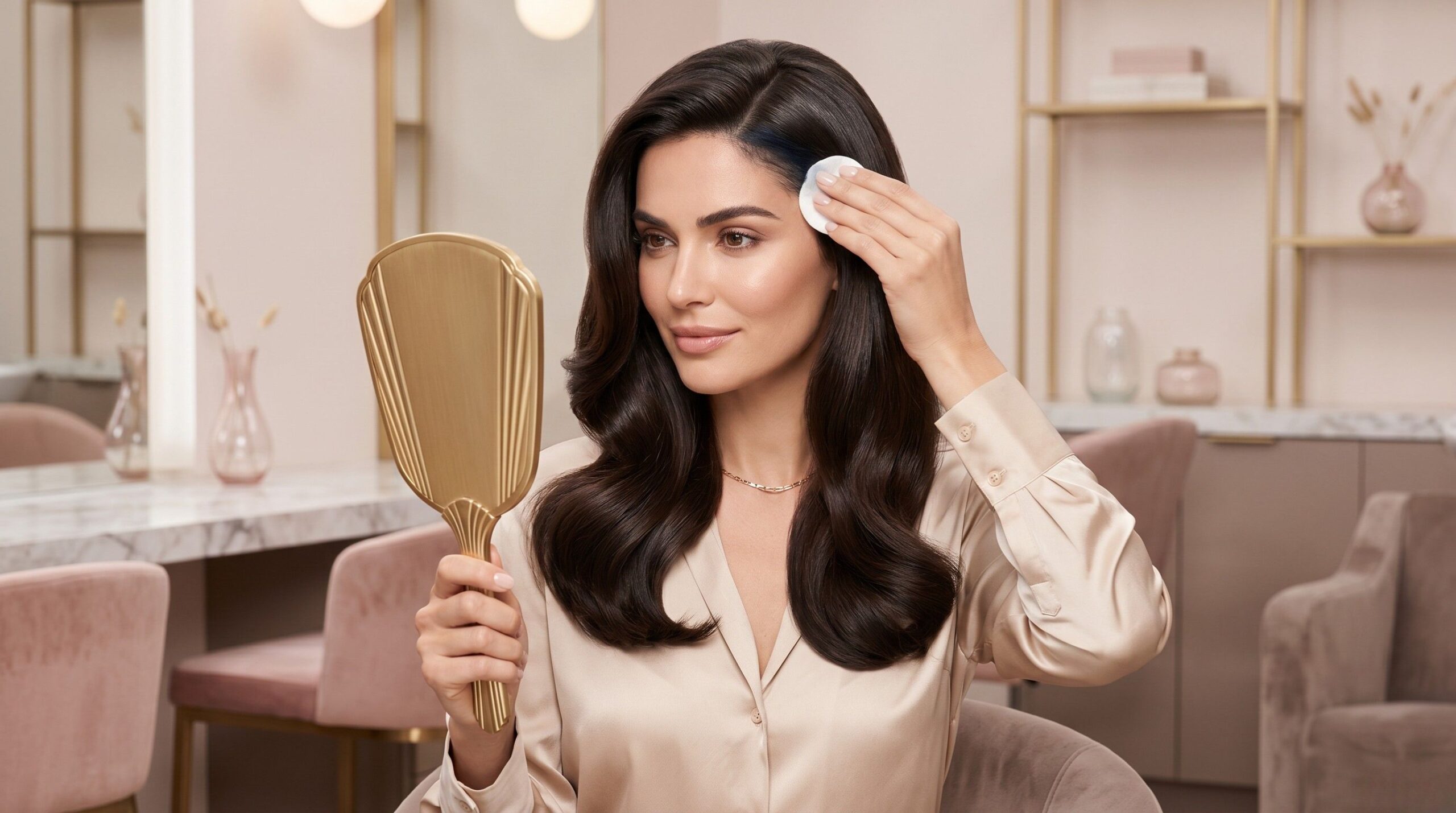
Healthy-looking results always start with smart prep, thoughtful aftercare, and personalized guidance—exactly the kind of one-on-one beauty experience highlighted on the
ShineTress consultation page.
A cleaner fix starts with a gentler approach
When dye touches the skin, many people want to scrub immediately—but that can make things worse, especially around the hairline. A smarter approach is to begin with mild cleansing, then step up only if needed. That skin-first mindset fits the same beauty philosophy you’ll see throughout ShineTress Hair Extensions NYC, where the focus is on polished results, healthy hair, and methods chosen with care.
And if you’re planning a full refresh—not just color touch-ups, but length, volume, or a seamless blend—exploring tape-in extensions or scheduling a personalized consultation can help you build a look that feels elevated from root to end.
So, what actually removes hair dye from skin?
The most reliable answer depends on where the stain is and how long it has been sitting there. For fresh marks along the face or hairline, Healthline recommends starting with soap and warm water, because catching the dye early is often enough to prevent a stubborn stain from setting in.
If plain washing is not enough, Medical News Today notes that gentle face cleanser, makeup remover, baby oil, or olive oil are commonly used next. And for beauty-friendly options that are less abrasive, Vogue’s dermatologist-backed guide highlights micellar water, makeup remover, and cleansing oils as safer ways to lift pigment without rough scrubbing.
Best first step
Warm water plus a gentle cleanser is the safest starting point for the face, ears, and hairline—especially if the stain is fresh.
Best for sensitive skin
Baby oil, olive oil, or another mild oil can soften leftover color while being less harsh than alcohol-based removers.
Best for stubborn facial stains
Micellar water or makeup remover can help lift pigment gradually without the harshness of strong solvents.
Best rule overall
Go from gentle to stronger methods slowly; don’t start with the harshest option first.
The safest methods to try first
If your goal is to remove dye without creating dryness, redness, or a raw patch around the hairline, these are the methods most worth trying before anything abrasive:
- Soap and warm water: best when the dye is still fresh and hasn’t fully settled into the skin.
- Gentle face cleanser: a good next step for the forehead, ears, or neck where skin can be more delicate.
- Micellar water or makeup remover: helpful when basic cleansing isn’t enough but you still want a non-scrubby option.
- Baby oil, olive oil, or coconut oil: useful for loosening stubborn residue while keeping the process gentler on the skin barrier.
- A soft washcloth used lightly: enough to encourage lift, but not so much that you end up over-exfoliating.
The key is patience. In the same way that premium extension work is all about precision rather than force, skin cleanup works better when you let the product do the lifting instead of rubbing aggressively. That polished, low-stress beauty approach is one reason clients looking for natural-looking transformations continue to explore ShineTress Hair Extensions NYC for methods designed to blend beautifully and wear comfortably.
Fresh stains often come off with gentle cleansing. Older stains usually need more time, more patience, and a softer touch—not harsher products.
What to avoid—especially on the face
Not every viral trick is a good idea. While some articles mention stronger stain-removal shortcuts for hands or nails, facial skin is much more delicate. That’s why Vogue specifically warns against harsh DIY fixes like acetone, ammonia, lemon, baking soda, and bleach, and also advises against aggressive scrubbing tools that can disrupt the skin barrier.
Healthline also cautions that rubbing alcohol can be drying, while Medical News Today points out that many stronger removal tricks are anecdotal rather than well-studied. In other words, just because something can fade pigment doesn’t mean it’s the smartest choice for your skin.
If the stain is on your hands rather than your face, some stronger methods may be used more cautiously there—but even then, it’s best to wash thoroughly afterward and stop immediately if the skin starts to sting, burn, or feel overly dry.
How to keep hair dye from staining skin next time
Preventing the stain is always easier than removing it. Across the guidance from Healthline, Medical News Today, and Vogue, the same prevention tips show up again and again:
Use a barrier first
A thin layer of petroleum jelly, baby oil, or barrier cream around the hairline and ears can stop dye from grabbing onto the skin.
Wear gloves
Hands are one of the easiest places to stain and one of the most overlooked during at-home color sessions.
Clean spills right away
The sooner you wipe dye off the skin, the less likely it is to leave a visible mark.
Don’t over-apply at the roots
Keeping product controlled around the hairline reduces both mess and irritation.
If you’re someone who loves a polished finish, prevention matters just as much as the final style. That attention to detail is also part of the appeal of professionally guided beauty planning, whether you’re choosing the right maintenance routine or deciding between flat, undetectable tape-ins and other extension methods for a more complete transformation.
When a stain might be more than just a stain
Sometimes the issue isn’t the leftover color—it’s the skin’s reaction to it. Medical News Today advises watching for warning signs such as rash, burning, swelling, hives, blistering, or trouble breathing. Those symptoms can point to irritation or an allergic reaction, and they should not be brushed off as normal post-color cleanup.
The same article also emphasizes doing a patch test before every coloring session. That step is easy to skip, but it can make a major difference—especially if you’re trying a new formula or haven’t colored your hair in a while.
A ShineTress-friendly takeaway
The best answer to “what removes hair dye from skin?” is usually not one miracle product. It’s a sequence: start mild, protect the skin barrier, and avoid overreacting with harsh chemicals. In most cases, gentle cleansing, micellar water, makeup remover, or oil-based softening will do more good than aggressive scrubbing.
And if your beauty goals go beyond quick DIY fixes—maybe you’re planning a fresh look with added volume, length, or a more refined finish—ShineTress offers the kind of tailored guidance that helps every detail feel intentional. From the premium hair standards described on the about page to the one-on-one approach highlighted when you book a consultation, the brand’s focus stays the same: natural-looking results, personalized choices, and beauty that feels elevated rather than overdone.
Thinking about a full hair refresh after your next color appointment?
If you want more than a stain-removal fix—if you’re ready for added length, soft volume, or a seamless blend—ShineTress can help you choose a method that fits your hair goals beautifully. Explore the brand, learn more about extension options, or reserve a personalized NYC consultation.
Studio
114 Elisabeth St, New York, NY 10013
Phone
347-506-1551
Why clients book
Personalized recommendations, premium hair options, and a polished NYC beauty experience.