1
Hair donation or sale
People either donate their hair or sell it to hair buyers. Some women grow their hair for years before selling it.
ShineTress Hair Extensions NYC

Hair extensions are very popular today. Many people use them to make their hair longer, thicker, or more stylish. But many people also ask an important question: where does the hair from hair extensions come from? The answer depends on the type of extensions. Some are made from real human hair, while others are made from synthetic fibers.
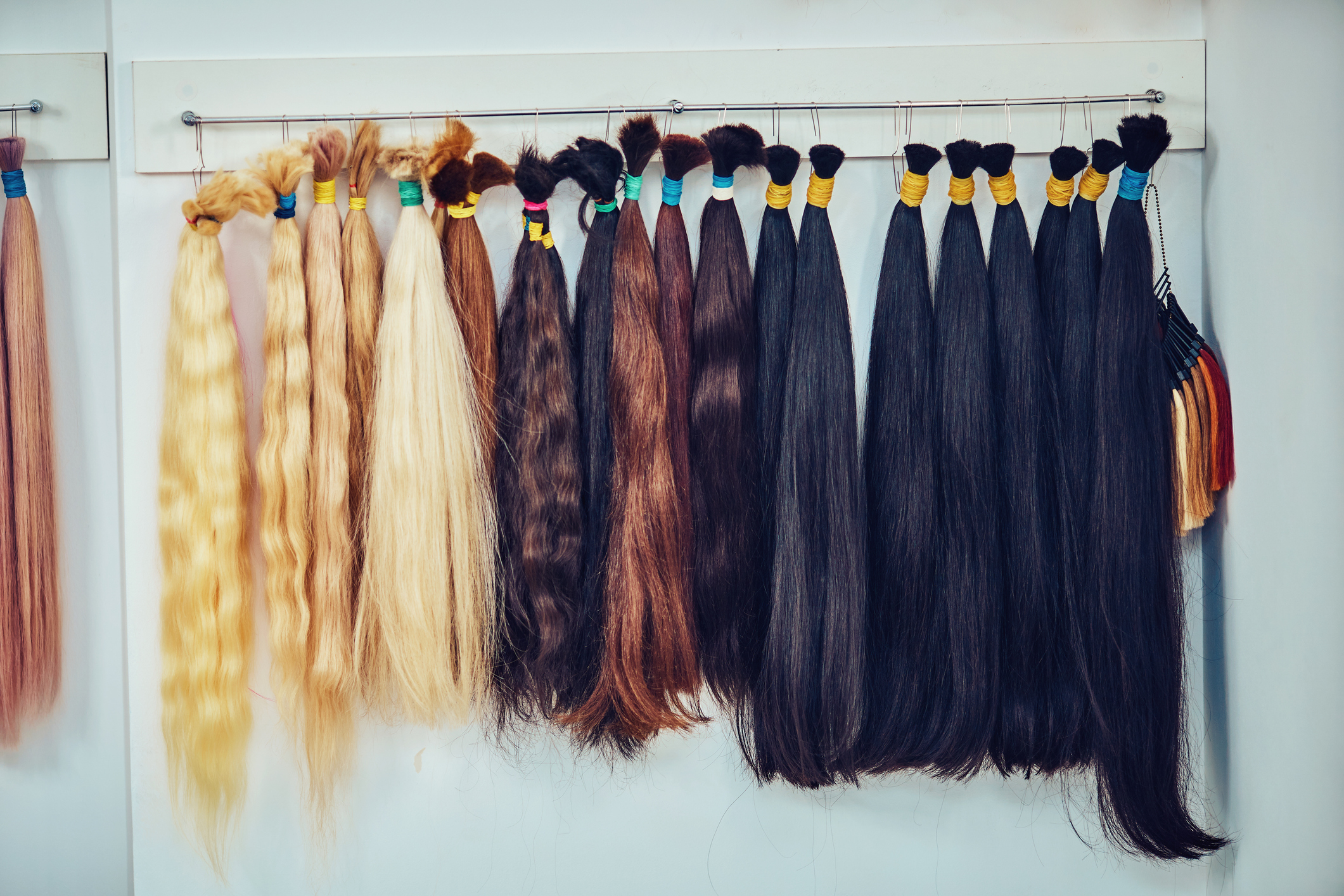
Hair extensions are extra pieces of hair added to natural hair. They help improve length, volume, and style. Hair extensions come in many forms such as clip-ins, tape-ins, sew-ins, and wigs. There are two main types: human hair extensions and synthetic hair extensions. Both types are used around the world, but human hair extensions are usually more expensive and natural-looking.
Human hair extensions come from real people who donate or sell their hair. The hair is collected from different countries around the world. The most common countries for hair collection are India, China, Vietnam, Cambodia, Brazil, and Mongolia. Each country provides different hair textures, colors, and qualities.
India is one of the biggest sources. Many people donate hair at temples for religious reasons in a practice called tonsuring. Indian hair is popular because it is thick, strong, and naturally dark, blending well with many hair types.
China is another large supplier. Chinese hair is often thicker and straighter. Some companies mix synthetic fibers with real hair to reduce cost, so always check product quality before purchasing.
Vietnamese and Cambodian hair is becoming very popular. Collected from women in rural areas with long, healthy hair, it is known for being soft, silky, strong, and long-lasting. Many premium brands use it.
The process of collecting hair is simple but careful. Here are the common steps:
People either donate their hair or sell it to hair buyers. Some women grow their hair for years before selling it.
The hair is sorted by length, color, texture, and quality. Good quality hair is separated from damaged hair.
The hair is washed and cleaned to remove dirt, oil, and bacteria.
After cleaning, the hair is sewn or attached into extension forms like wefts, clip-ins, or wigs.
Remy hair is one of the highest quality human hair extensions. In Remy hair, all hair strands face the same direction from root to tip. This helps prevent tangling, matting, and dryness. Remy hair looks natural and lasts longer than non-Remy hair.
Non-Remy hair is collected from different sources where hair strands may face different directions. To make the hair look smooth, factories often use chemical coatings. These coatings may wear off after a few washes. Non-Remy hair is cheaper, but it usually does not last as long.
Synthetic hair does not come from humans. It is made from plastic fibers such as acrylic, polyester, and nylon. Factories create these fibers to look like real hair. Synthetic extensions are cheaper than human hair extensions, but they may not feel as natural. Some synthetic hair also cannot handle heat from straighteners or curling irons.
Lasts longer, styles with heat, blends beautifully, and can be colored.
Lower cost, good for temporary styles, but limited heat styling and shorter lifespan.
Many people worry about whether hair extensions are collected ethically. Some companies follow fair and safe practices, while others may not. Ethical hair companies usually pay fair prices to hair sellers, use clean processing methods, and provide honest information about hair sources. It is always a good idea to buy from trusted brands that explain where their hair comes from.
Choosing the right hair extensions depends on your needs and budget.
Always read reviews and check product details before buying.
The lifespan of hair extensions depends on quality and care.
Can last 6 months to 1 year or more with proper washing and care.
Usually last 1 to 3 months and may lose shape quickly.
Using gentle shampoo and avoiding too much heat can help extensions last longer.
Good care keeps extensions soft and beautiful.
Taking care of extensions helps them stay smooth and shiny.
Yes, many hair extensions are made from real human hair collected from donors or sellers.
Many people believe Vietnamese and Indian hair are among the best because they are strong, soft, and long-lasting.
No, synthetic extensions are not bad. They are affordable and useful for short-term styling, but they may not last as long as human hair.
Remy hair keeps all strands facing the same direction, while non-Remy hair may have mixed directions that can cause tangling.
Hair extensions can damage natural hair if they are installed too tightly or not cared for properly.
Real human hair usually feels softer, lasts longer, and can be heat styled. Trusted brands also clearly label their products.
At ShineTress, we believe that beautiful extensions start with beautiful sourcing. That is why we work with trusted suppliers who provide premium-quality human hair from ethical origins. Whether you choose tape-in extensions, microlinks, or other premium services, you can feel confident knowing your hair comes from a source you can trust.
Your hair is an investment. We help you make the right choice—from origin to application to aftercare.
Whether you are curious about where your hair comes from or ready to transform your look, booking a one-on-one consultation with ShineTress Hair Extensions NYC is the best way to get expert guidance tailored to your hair type, goals, and lifestyle. With premium hair options, customized methods, and years of experience serving NYC clients, ShineTress creates elevated results that feel as natural as they look.