Smooth Hair GuideHow to Fix Frizzy Hair
Frizz usually starts with one simple problem: your hair is looking for moisture. As explained in anti-frizz guidance from Garnier and humidity-focused advice from Pantene, dry or porous hair pulls moisture from the air, especially when humidity is high, which lifts the cuticle and turns smooth strands into fuzz, flyaways, or puffiness. The good news is that frizz is usually manageable with the right mix of moisture, gentler styling, and a routine that protects the hair cuticle instead of constantly roughing it up.

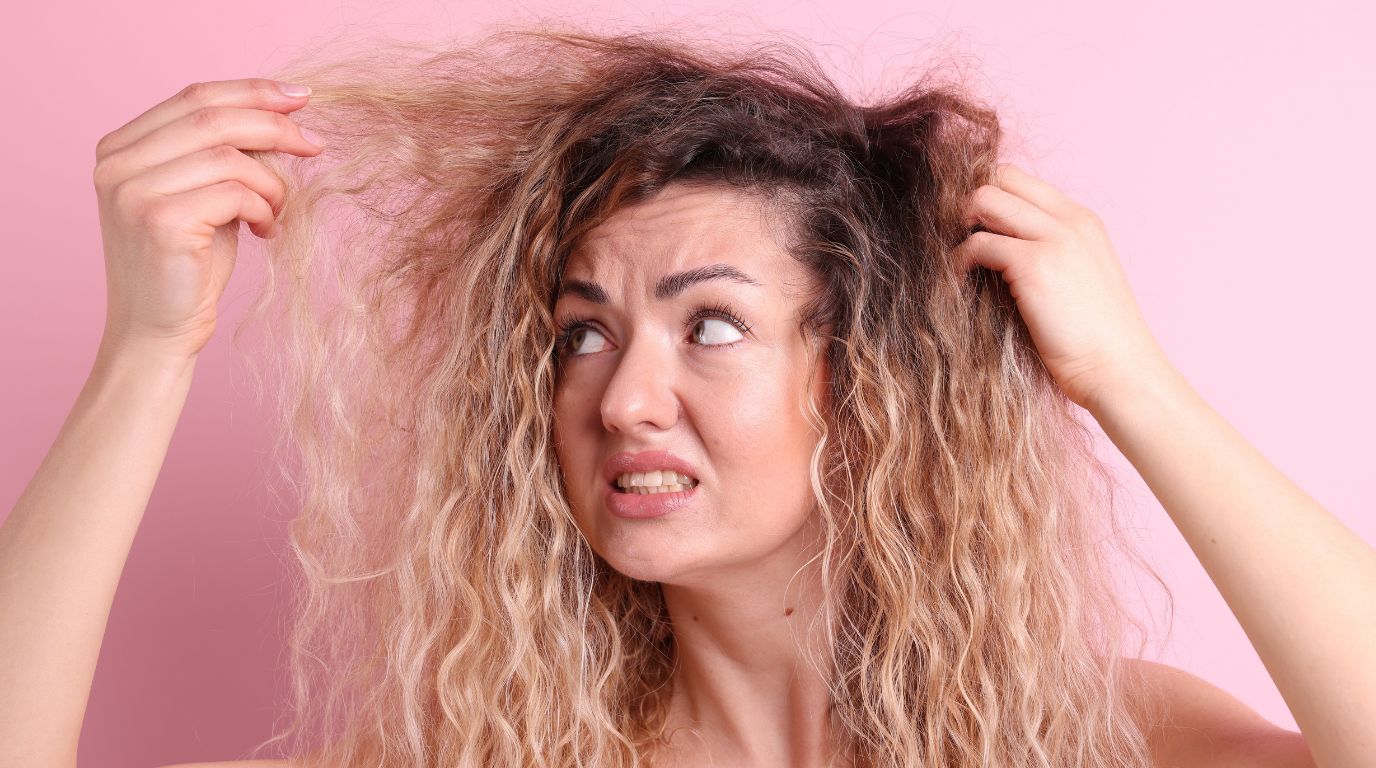
Stock Image.
What smoother hair actually needs
Most frizz routines work better when they focus on hydration first and styling second. Advice from stresses moisturizing shampoo and conditioner, less overwashing, and fewer harsh heat habits, while Byrdie’s expert roundup points to deep conditioning, gentler drying methods, and regular trims when damaged ends stop responding to moisture.
Why hair gets frizzy in the first place
Frizz is not random. It usually shows up when the outer layer of the hair is lifted, dry, or damaged. According to Garnier’s frizz guide, a lack of moisture is one of the biggest triggers, while chemical services, heat styling, over-washing, and rough drying can all make the cuticle more vulnerable. Pantene’s humidity article adds that porous hair absorbs moisture from humid air more easily, which is why frizz often gets worse on hot or rainy days.
Main cause
Dry, thirsty hair absorbs moisture from the environment and swells, which disrupts smoothness.
Biggest aggravators
Heat damage, rough towels, over-brushing, chemical processing, and humidity all make frizz more likely.
If your routine only fights the appearance of frizz but never restores moisture, the smooth look rarely lasts. Real anti-frizz care starts with helping the hair hold hydration.
How to fix frizzy hair step by step
The most reliable anti-frizz routine is not complicated, but it does require consistency. The steps below combine the practical recommendations repeated across, Byrdie, Pantene, and Garnier.
Step 1Use more moisture, not more shampoo
Frizzy hair almost always needs better conditioning. Matrix recommends moisturizing shampoo and conditioner, and also warns that shampooing too often can strip away natural oils that help fight frizz.
- Choose hydrating formulas over harsh cleansers.
- Do not overwash if your hair already feels dry.
- Condition beyond just the very tips when your hair is frizz-prone.
Step 2Deep condition weekly or biweekly
In Byrdie’s expert advice, weekly or biweekly deep conditioning is one of the most direct ways to bring moisture back into dry, frizzy hair. Matrix also recommends regular masks and moisture treatments for smoother texture.
- Great for dry, colored, or heat-styled hair.
- Helpful when your hair feels rough even after normal conditioner.
- Especially useful before humidity-heavy seasons.
Step 3Apply products while the hair is still wet
Byrdie’s specialists note that one of the biggest mistakes is waiting until the hair starts drying before applying moisture-sealing products. Wet hair gives leave-ins, creams, and serums a better chance to hold hydration where it belongs.
- Apply leave-in products sooner, not later.
- Use a small amount and build if needed.
- This matters even more for curly or porous hair.
Step 4Stop rough-drying your hair
Both Byrdie and Garnier point out that towel friction can rough up the cuticle. Byrdie recommends microfiber towels and gentler drying, while Garnier suggests finishing with cool air to help seal the cuticle when blow-drying.
- Skip aggressive towel rubbing.
- Use a microfiber towel or a soft T-shirt.
- Gentle blotting creates less disruption and less puffiness.
Step 5Reduce heat and protect against humidity
Pantene recommends keeping heat lower and using heat protectant before styling, while Matrix warns that hot tools and even very hot water can worsen frizz. Garnier also suggests diffusing and finishing with cool air to minimize cuticle disruption.
- Turn down the iron when possible.
- Use heat protection before blow-drying or smoothing.
- Use anti-frizz products that help resist humidity.
Step 6Trim what cannot be repaired
If hydrating products are no longer improving the ends, Byrdie’s experts recommend regular trims, noting that quarterly appointments can remove dead, frayed ends that keep causing visible frizz.
- Useful when ends feel crispy, split, or stubbornly fluffy.
- Small trims can improve shine and shape quickly.
- Healthy ends usually smooth better than damaged ones.
Best at-home fixes for frizzy hair
If you want a more intensive reset, Byrdie’s expert-backed home remedies include a moisturizing avocado mask, occasional clarifying to remove hard-water or product buildup, and steam-assisted conditioning to help moisture penetrate low-porosity hair. These treatments work best when they support a regular routine instead of replacing it.
- A weekly deep conditioner can help restore elasticity and softness.
- A monthly clarifying rinse may help if buildup is blocking moisture, although Byrdie notes that sensitive scalps and color-treated hair should be careful with acidic rinses.
- Steam with conditioner can help low-porosity hair absorb hydration more effectively.
- Silk or satin pillowcases can reduce overnight friction and moisture loss.
Frizz often looks like a styling problem, but many times it is really a moisture-retention problem. When the hair starts holding hydration better, styling becomes easier almost automatically.
How to fix frizz in straight, curly, and extension-wearing hair
Straight or fine hair
Garnier recommends lighter serums or anti-frizz sprays for fine, straight hair, since rich products can weigh the hair down while still failing to smooth the cuticle properly.
Curly or textured hair
Byrdie’s curl specialists stress that curls need moisture applied while very wet, plus regular conditioning to support definition and reduce the dry halo that often reads as frizz.
Low-porosity hair
Garnier notes that low-porosity hair often struggles to absorb moisture, so lightweight leave-ins and heat-assisted or steam-assisted conditioning can be more effective than heavy layering.
Hair extensions
Because extension hair does not receive scalp oils the same way natural hair does, smoothness depends even more on hydration, gentle handling, and the right finishing products.
Why this matters for the ShineTress client
Smooth, healthy-looking hair is not only about styling — it is also about choosing the right method, maintenance routine, and quality of hair. On the ShineTress about page, the studio highlights premium hair options, including single-donor hair upon request, and emphasizes naturally blended, long-lasting results. On the ShineTress consultation page, the studio also explains that every recommendation is tailored one-on-one to the client’s goals, texture, and maintenance needs.
If you wear or are considering extensions, frizz control matters even more. The ShineTress tape-in extensions page describes tape-ins as flat and undetectable, especially on fine hair, which means the finish depends on keeping both your natural hair and extension hair smooth, hydrated, and well maintained.
A simple anti-frizz routine that actually makes sense
Wash smarter
Use a moisturizing shampoo and conditioner, and avoid cleansing more often than your hair really needs.
Treat weekly
Add a deep conditioner or mask on a weekly or biweekly schedule if dryness keeps returning.
Style gently
Apply leave-ins to wet hair, reduce rough brushing, and use a microfiber towel instead of scrubbing with cotton.
Protect the finish
Use heat protection, lower hot-tool temperatures, and consider humidity-resistant finishing products on muggy days.
Need professional help with frizz, smoothing, or extension-friendly hair care?
If your hair still feels unruly after changing your routine, a personalized consultation can help you figure out whether the issue is moisture loss, damage, buildup, or simply the wrong extension or styling method. ShineTress Hair Extensions NYC offers one-on-one consultations in New York City, and the studio’s service approach emphasizes premium hair, customized recommendations, and polished, natural-looking results.
ShineTress welcomes clients across New York City for personalized extension and hair consultations.